 Anti Microbial Resistance Marker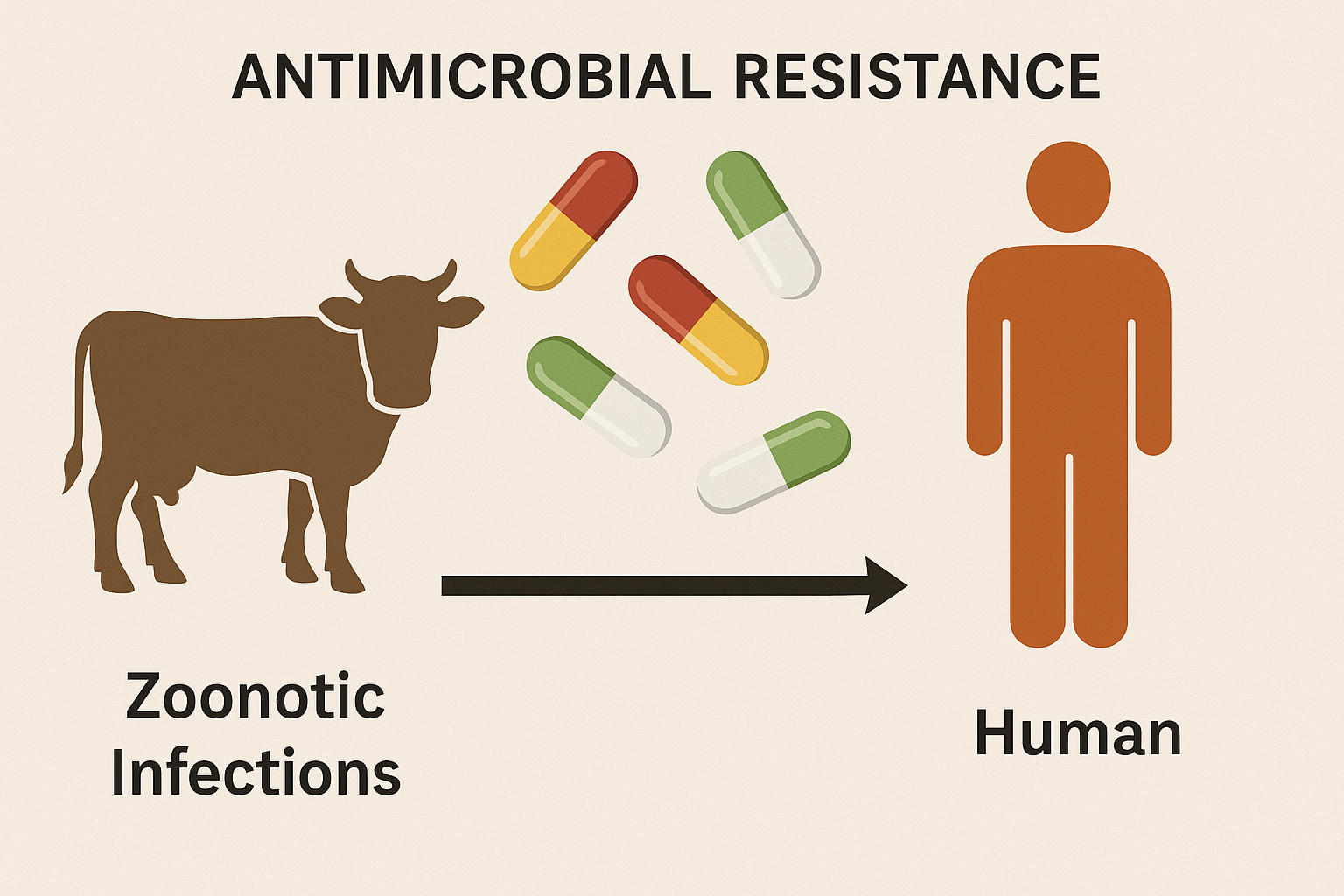
Zoonotic Diseases and Antimicrobial Resistance: The Growing Human Health Threat
Nearly 60% of all human infectious diseases are zoonotic in origin, meaning they are transmitted from animals to humans. Among these, a significant number harbor antimicrobial resistance genes (ARGs)—genetic elements that allow bacteria to withstand antibiotic treatment. This silent but escalating crisis threatens not only human health but also the sustainability of modern medicine.
???? The Link Between Zoonotic Diseases and AMR
Zoonotic diseases originate from a variety of sources—wildlife, livestock, and even domestic pets. When pathogens jump from animals to humans, they often bring along a package of resistance genes acquired from decades of antibiotic exposure in agriculture, veterinary medicine, or the environment.
- ScienceDirect studies highlight that livestock farming—especially in high-density settings—acts as a breeding ground for drug-resistant pathogens such as Salmonella, Campylobacter, and E. coli.
- PMC and Frontiers reports confirm that ARGs can be transferred through direct animal contact, contaminated food, water, or even shared environments, leading to infections in humans that are harder and costlier to treat.
- According to zoonotic-diseases.org, the rise of multi-drug resistant bacteria in both humans and animals is now recognized as a “One Health” challenge, demanding cross-sector collaboration.
⚠️ Why This Matters
- Higher Mortality Rates: Resistant zoonotic infections are often severe, requiring longer hospital stays and stronger, more toxic drugs.
- Global Spread: International travel and trade make resistant pathogens a worldwide issue, not just a local concern.
- Future Pandemics: Experts warn that unchecked antimicrobial use in animals increases the risk of a drug-resistant outbreak with pandemic potential.
???? The One Health Approach
To break this cycle, a One Health framework is essential—integrating human, animal, and environmental health to track and control AMR:
- Responsible Antibiotic Use: Reducing non-therapeutic use of antibiotics in livestock.
- Surveillance and Diagnostics: Rapid molecular detection of resistant pathogens across humans and animals.
- Environmental Stewardship: Managing waste from farms and hospitals to limit ARG spread.
???? Retro Biotech’s Role
At Retro Biotech, we are committed to strengthening AMR surveillance and diagnostics through direct-to-PCR molecular testing platforms. Our assays and customized panels help:
- Detect zoonotic pathogens and their resistance markers rapidly, without complex lab workflows.
- Support One Health initiatives by enabling field-deployable, point-of-care testing for both human and veterinary applications.
- Empower public health authorities with real-time data to track and contain resistant infections before they spread.
✅ Call to Action
AMR is not just a clinical issue—it’s an ecosystem problem. Limiting its impact requires collaboration among clinicians, veterinarians, farmers, researchers, and policymakers.
???? Learn more about our Zoonotic Disease & AMR Diagnostic Solutions at www.retrobiotech.in or reach out to us for custom panel design tailored to your surveillance needs.
References:
- ScienceDirect: Zoonotic origins of infectious diseases and ARG transmission.
- PMC: AMR gene transfer from animals to humans.
- Frontiers: One Health strategies to curb zoonotic AMR spread.
- zoonotic-diseases.org: Global zoonotic pathogen tracking.